I’ve made an entire living off thinking out loud,” says Raven Smith, the co-host of the BBC’s buzziest new podcast, Please Don’t. “We are very lucky that we have a team of type A people to turn our thinking out loud into something you can absorb.”
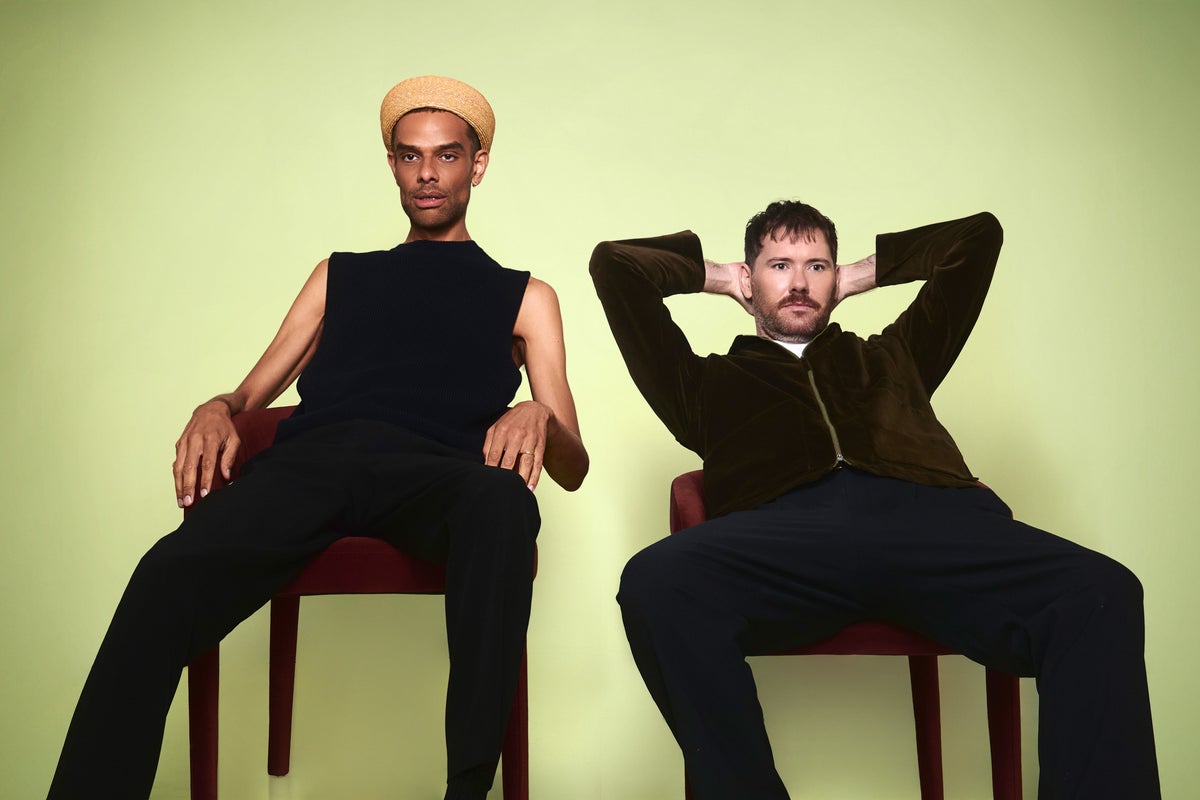
In September, Smith and his fellow host, the writer Joel Golby, launched their first-ever podcast on BBC Sounds and YouTube.Please Don’t sees the pair gab away in a studio styled after Smith’s own living room, putting the world to rights and sharing hot takes on everything from running clubs, Marseille and Ted Lasso (please don’t!) to giant Japanese chicken nuggets, Lena Dunham’s Girls and NASA’s Instagram account (please do!).
They’ve launched at a time when the British podcast industry is booming. In the UK, the popularity of podcasts has more than doubled since 2019 with 43 per cent of adults now listening to at least one podcast or video podcast each month. Comedy sits at the centre of this growth with 41 per cent of weekly podcast listeners tuning in. Only current affairs and entertainment draw a larger audience share.
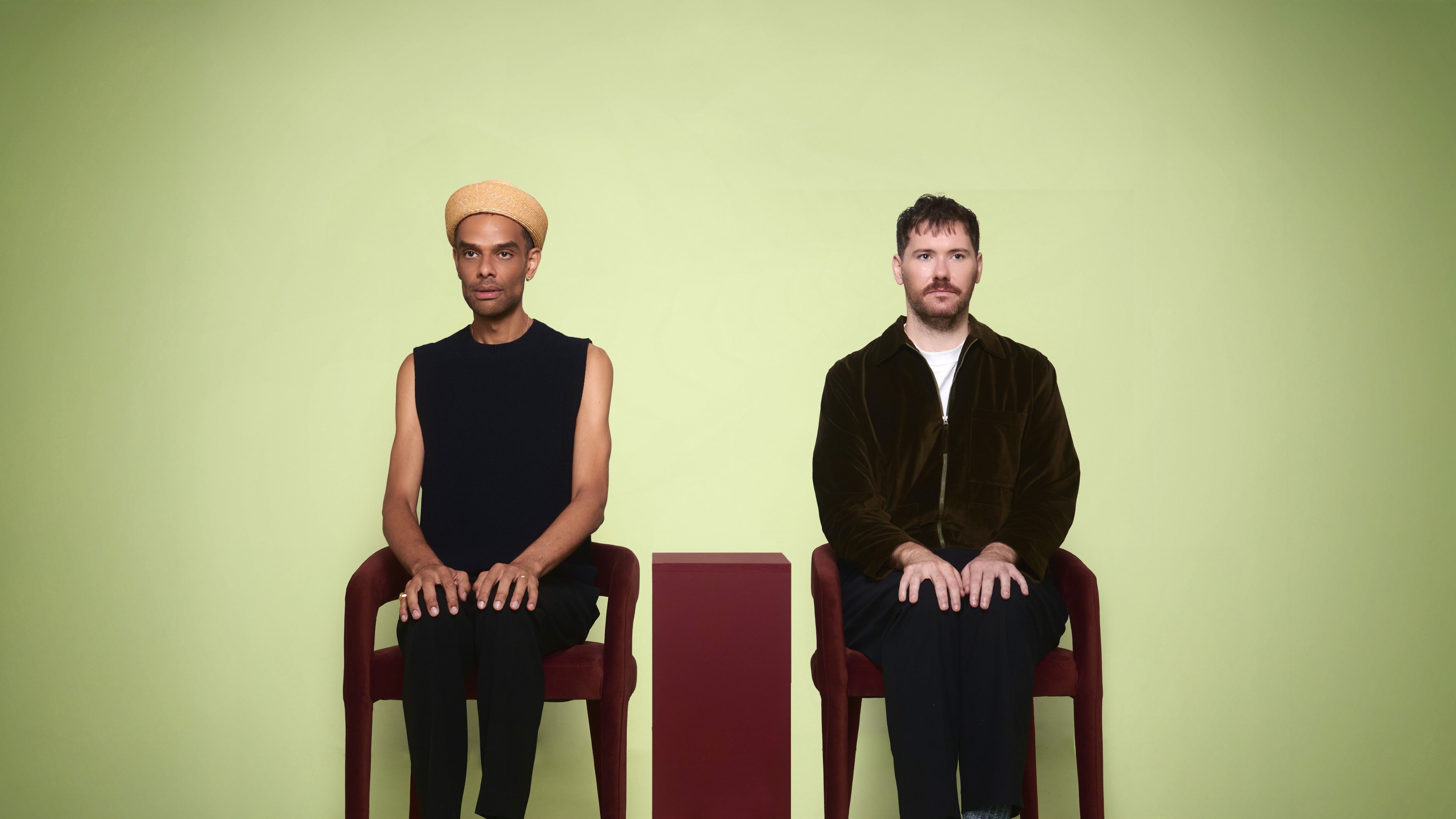
That “team of type A people” Smith describes is essentially the crew at BBC Sounds and the audio production company Reduced Listening. In fact, the initial idea for Please Don’t came from the brain of Lily Ames, a development executive at the latter.
In 2019, she was working on another BBC-commissioned show, Obsessed with… Killing Eve, when she first saw Smith in action. “He was just able to riff and just give really, really good podcast chat,” Ames says, “ I always have a talent radar and just put him on my list of, that guy needs a podcast one day.”
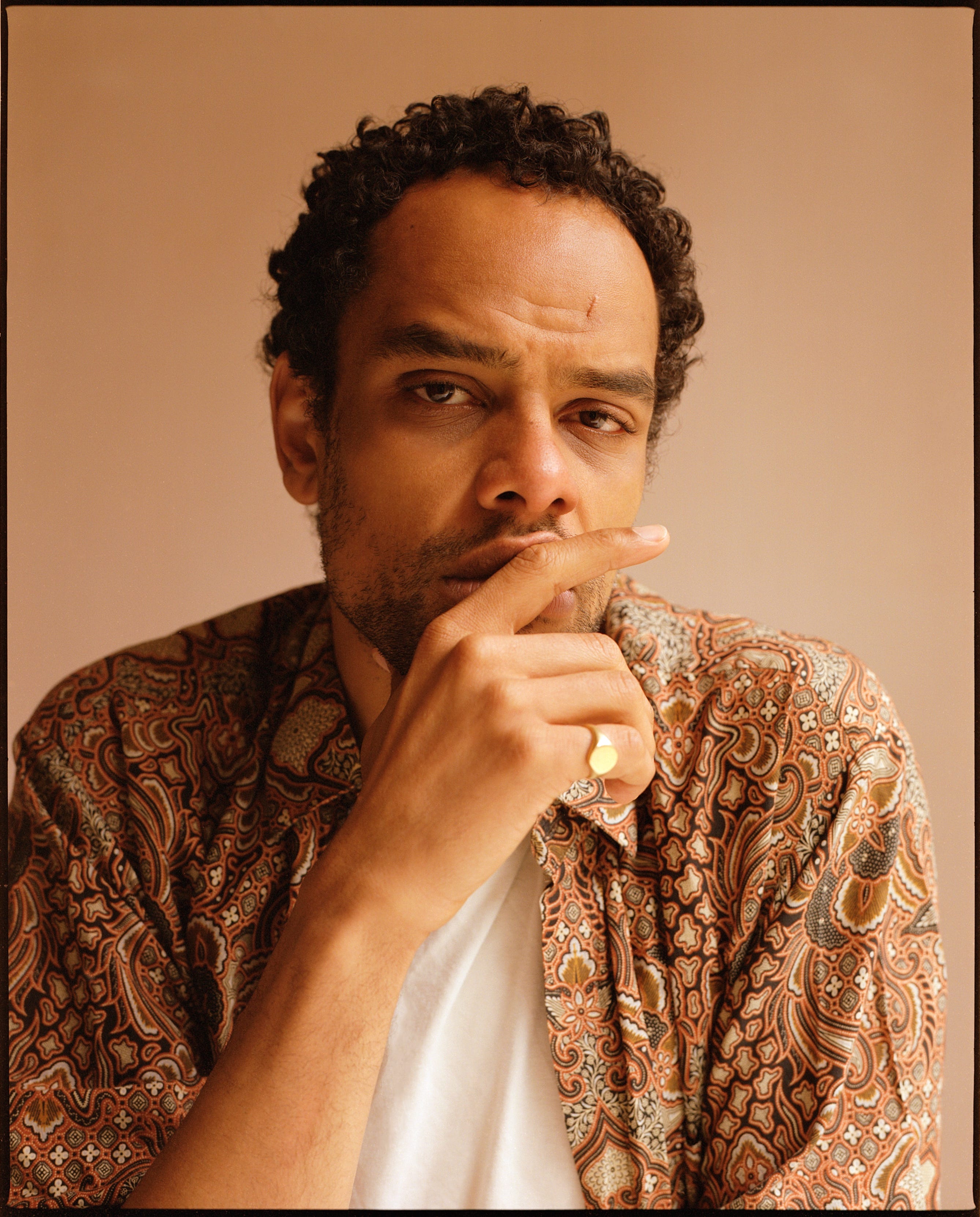
She pitched the idea for Please Don’t to Smith and he was keen. As the two spoke more, Smith suggested bringing Golby on board as a co-host.
As Golby recalls, he received a text in the middle of the day from Smith saying: “Hey, I’ve sold our podcast.” That was the first he had heard about it. “We had a conversation five years ago about, ‘Yeah, maybe we should do a podcast.’ He remembered that and just assumed I was on for the past half decade,” Golby says.
As it turned out, Golby was very much into the prospect of being paid to present his own BBC podcast, as opposed to the grind of launching one independently – an idea he had been seriously considering with the food creator Ben Lippett, whose schedule ultimately could not accommodate a weekly show.
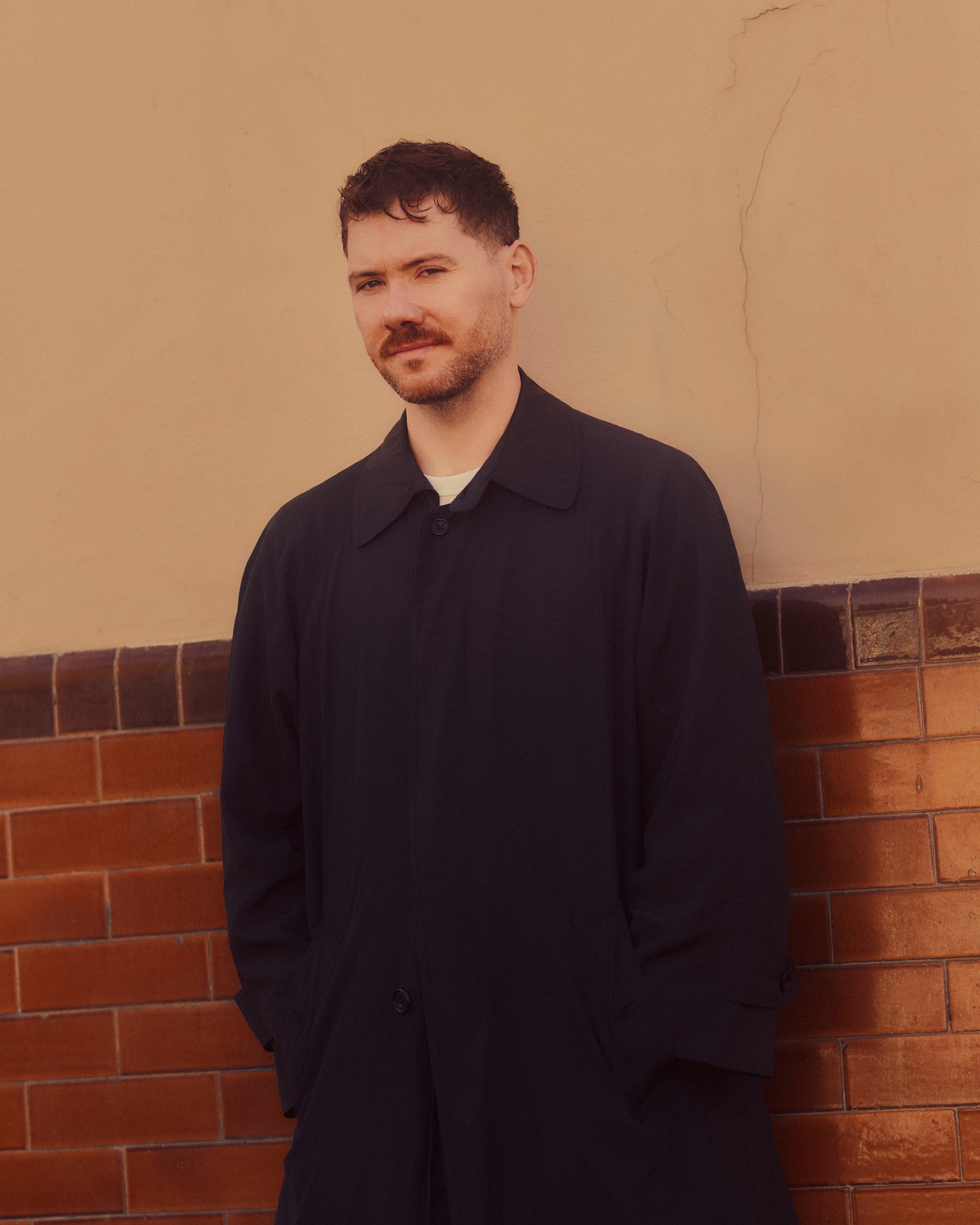
Golby and Smith’s work schedules also map to the organised chaos of a modern creative. Smith writes a weekly column for Vogue, has appeared in BBC’s Industry and written two books, one of which, Raven Smith’s Men, is in development for TV. Golby writes a weekly column for The Observer, has a Substack newsletter and is writing his debut novel following the publication of his 2024 memoir, Four Stars: A Life. Reviewed.
In the King’s Cross recording studio today, they are trying to decipher why singer Kelly Clarkson has started an online spat with a Brooklyn toy shop over an animatronic bird.
Each episode is built around the duo’s competing takes, bookended by their “please do” and “please don’t” recommendations. But the majority of episodes are spent discussing whatever weird cultural phenomena has caught their eye that week.
Both men can balance highbrow and lowbrow easily, and are as interested in Celebrity Traitors as they are in the Bayeux Tapestry. And Smith appears to have interviewed everyone they discuss, from Maya Jama to Julianne Moore and Jesse Eisenberg.
Of course, there are limitations when working for the BBC. Golby, Smith and Ames are all big fans of the casual, conversational nature of the US culture podcast How Long Gone. “A show like How Long Gone, they can just say their opinion. It doesn't really matter, but we have to fact check everything,” Ames says.
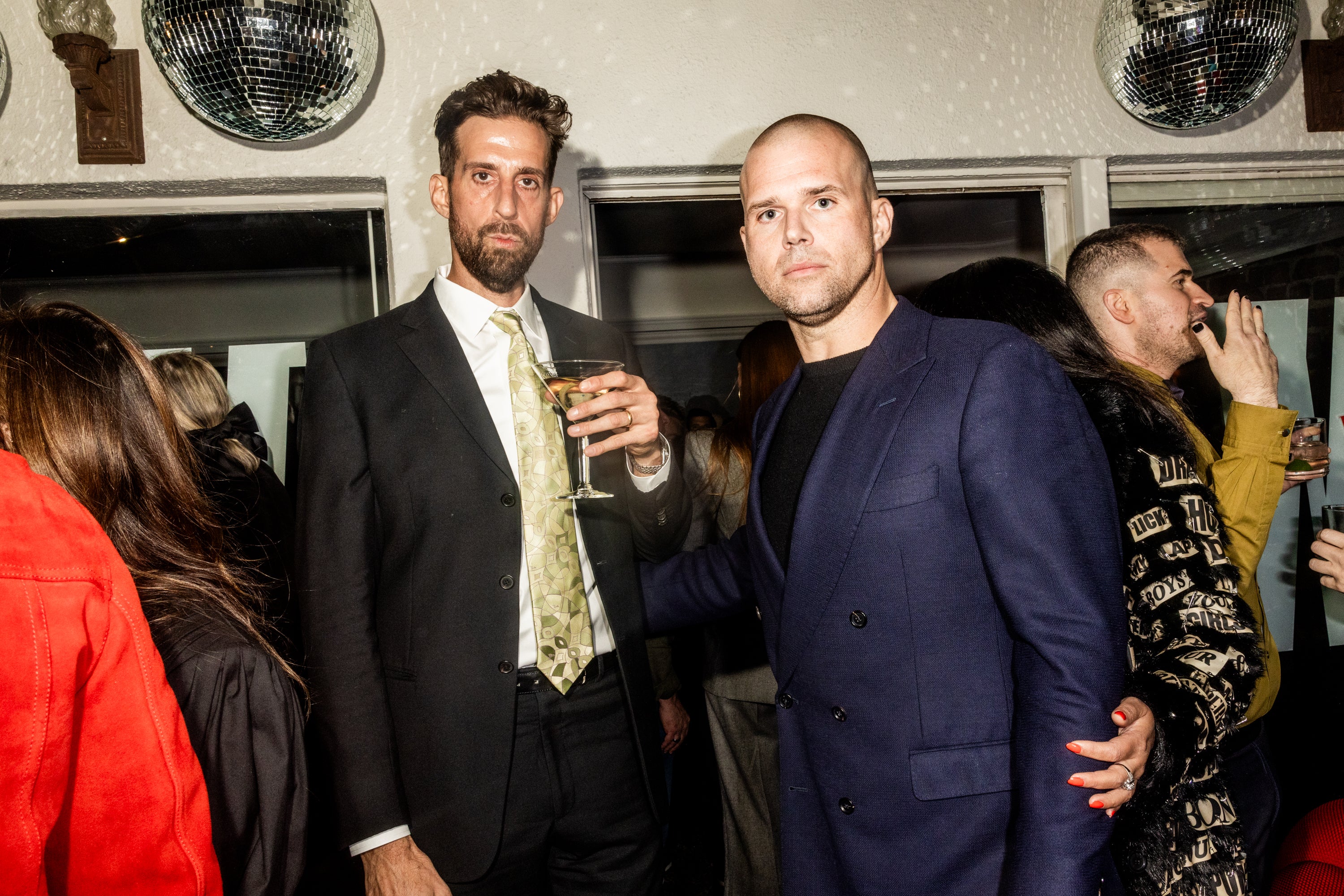
Adjusting to their new lives as podcasters has taken some acclimatisation. “It's been weird to move sideways into a different medium and then be exposed to 1.1 million BBC Sounds followers who love and hate our clips,” says Golby. He was used to getting trolled back in the heyday of Twitter. “You'd get bombarded with people disagreeing with you and criticising your face as a result of an opinion that they don't like,” he says.
Now, in the Reels era, where short-form video rules the algorithm, hate is more fashionable than ever. “Now you have to just put your face on it and be looked at and say it with your chest,” Golby says. The hosts are certainly mischievous and unguarded. “Book shaggers unite,” Smith announces into the mic after both he and Golby pick works of literature for their weekly recommendation. Safe to say, that line did not make the final cut.