The BBC has announced a money-saving plan to cut costs by £500m – but it’s been warned that changes could stop justifying the licence fee cost, which is expected to rise in the coming years, by harming audiences’ viewing experience.
Public-spending watchdog National Audit Office (NAO) has warned that staffing cutbacks and severe changes in programming, including the sudden axing of long-running shows, means viewers might be tempted to switch off and find their entertainment and news elsewhere.
In a new report revealing its findings, after talking to the BBC about its cost-cutting strategy, the NAO urged the corporation needs to “develop a consistent framework for understanding the wider consequences” of its initiatives, including “assessment of financial and non-financial impacts, such as monitoring audience, service, reputational and capability metrics”.
It revealed that the BBC admitted it could improve its mechanisms for monitoring how cumulative savings “may impact” people’s desire to pay the licence fee.
It’s a crucial era for the BBC after YouTube’s British viewing figures overtook those of the corporation for the first time, drawing a line under the national broadcaster’s near-century-long dominance of UK entertainment.
According to official ratings agency Barb, the Google-owned platform now attracts a larger audience than all of the BBC channels combined.
But the NAO said that the changes to the BBC are likely to continue as bosses scrabble to find savings to enact their £500m cost-cutting plan – and urged the corporation to keep its reputation in mind while making decisions about the future.
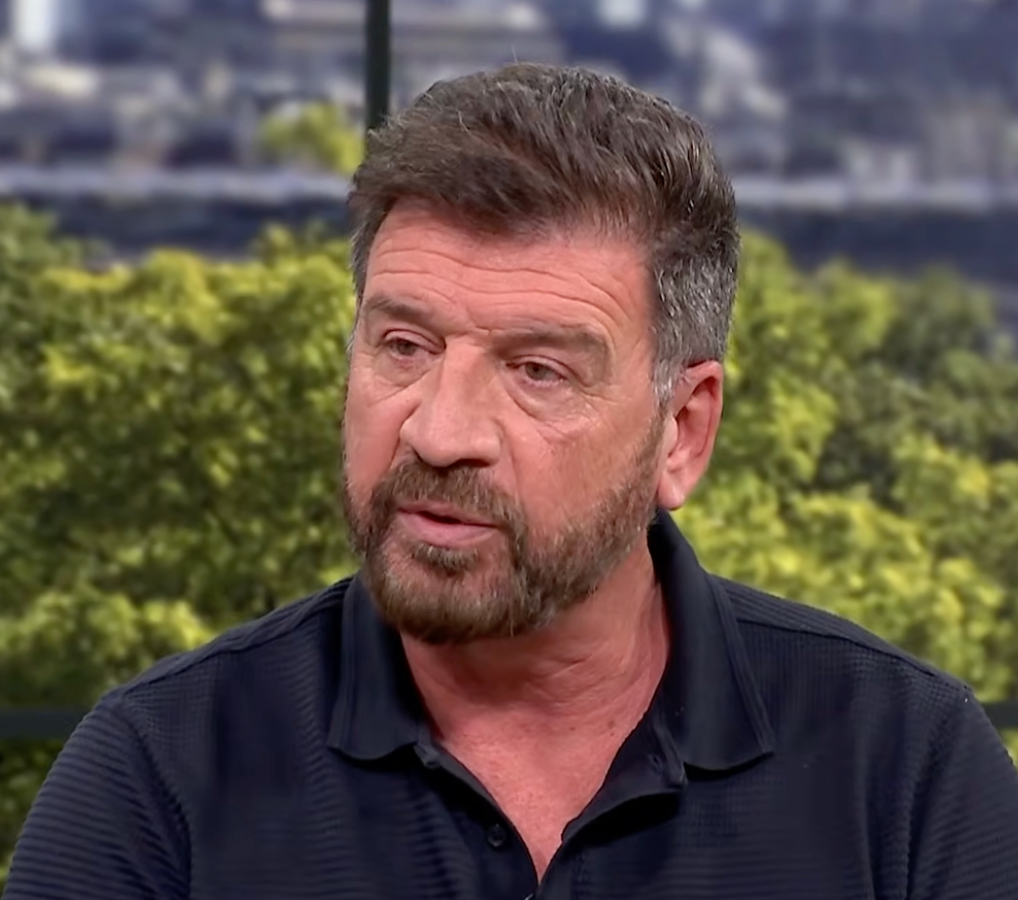
In July 2026, the BBC axed three of its most famous shows: Celebrity Mastermind, the Blankety Blank revival and Live at the Apollo, the latter of which has been a mainstay for 22 years. More recently, DIY SOS was paused, prompting outcry from long-time host Nick Knowles.
Knowles, who has hosted the show since its inception in 1999, claimed that the BBC told him that if the fan-favourite series does return, it’ll be in a “smaller and more cost-effective” manner.
He expressed doubt that it can made in this way, stating: “If you have ever been on DIY SOS – and there are 26,000 of you out there who have – you will know you can’t do that smaller.”
The BBC said in a statement: “Unfortunately, we have to make some really tough choices in light of our funding challenges, and these savings have been identified from the entertainment genre.”
Elsewhere, a series of Radio 4 shows, including The World Tonight, Thinking Allowed and You And Yours, are set to be axed, with the number of podcasts on BBC Sounds reduced “to make space for new formats”. Classicist Mary Beard, a dedicated listener of current affairs show The World Tonight, expressed her disappointment, stating: “I’m very sad and I will miss it.”
Meanwhile, Robin Lustig, a former World Tonight presenter, said he was “very sad” to discover the show was being “killed off” as it had “a long and honourable history as one of the more thoughtful BBC news programmes”.
The NAO stressed that the “cumulative effects on audiences” needed to be monitored, adding: “The BBC expects that some future savings decisions will lead to changes that audiences notice. As a result, these decisions may affect measures such as audience reach and perception of the BBC.”
BBC director-general Matt Brittin has also announced that 550 of the planned 1,800 to 2,000 job cuts at the corporation will be taken from BBC News and TV and radio-related roles. Veteran broadcaster David Dimbleby told Radio Times he was “appalled” by the decision. Meanwhile, former Newsnight host Emily Maitlis said “things start going wrong” once you start “salami slicing away at budgets but pretend nothing’s changing”.
“It’s a recipe for disaster,” the News Agents podcast host told the outlet. “You end up with an entirely weakened system, as opposed to an organisation that’s making decisive choices and feels confident in those choices.”
The licence fee currently sits at £180, but a watchdog predicted it will exceed £200 a year within the next five years as millions stop paying for it.
The analysis by the spending watchdog, the Office of Budget Responsibility (OBR), suggests 2.7 million people will stop paying the licence fee by 2031/32, forcing it to rise from £180 to £202.
It comes after The Independent revealed that the government is looking at plans to force up to 4 million households to start paying it again by extending it to streaming services in a so-called “YouTube tax”.
The proposal, as part of the Charter renewal, is set to be outlined in a government white paper before Christmas.
It would mean people will need to pay the licence fee if they want to use streaming services such as YouTube, Netflix, Amazon Prime, Apple TV and Disney+. Currently, it does not cover those services.