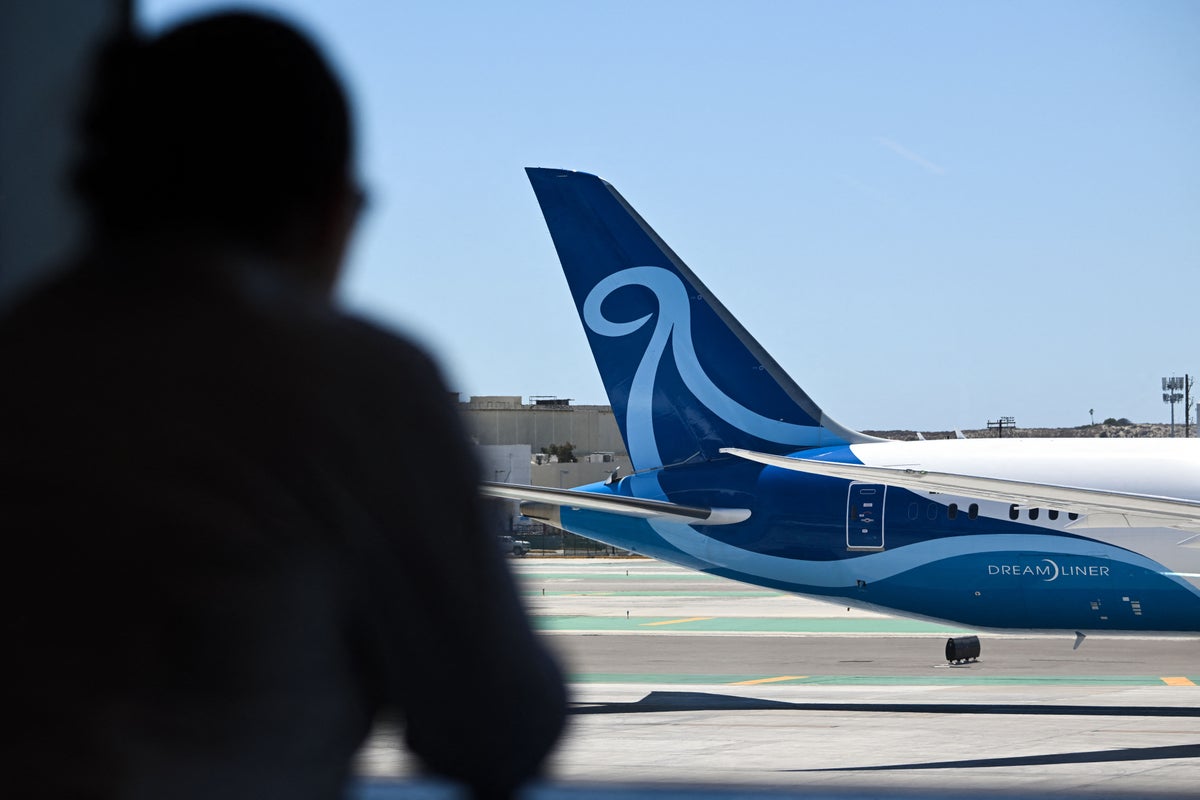
Norse Atlantic suspended flights on Thursday and warned it will file for bankruptcy if a short-term financing solution is not urgently secured.
The Norwegian airline is the latest casualty of the turmoil sweeping the aviation sector since the outbreak of the Iran war.
The global aviation industry is suffering its worst crisis since the COVID-19 pandemic as the conflict, which began at the end of February, disrupts operations, drives up fuel prices, and sends airlines' costs skyrocketing.
The long-haul budget carrier warned on Wednesday that its financial situation was "critical" and that it needed new financing to cover short-term liquidity and operations
That announcement sent its share price down 85 per cent before.
Its shares rose nine per cent by mid-morning on Thursday, though the move reflected volatile trading and sharp price swings after they were placed in the Oslo bourse's recovery box for companies facing financial uncertainty. Turmoil at the company has wiped out 99 per cent of Norse's market value this year alone.
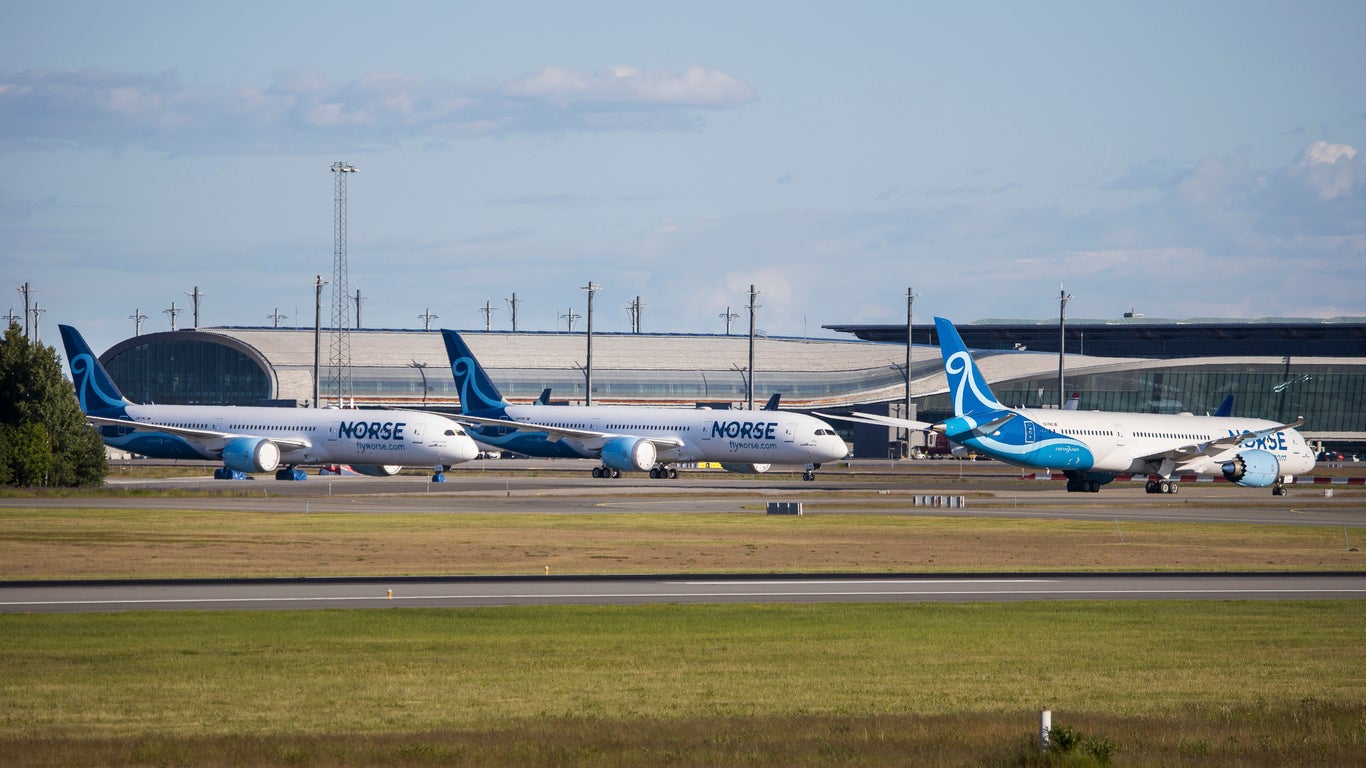
Norse's fuel bill surged due to the Iran war because it had not hedged its fuel needs and was forced to operate at reduced capacity, a particular challenge for a low-cost carrier focused on fuel-intensive, long-haul routes.
"If a short-term financing solution is not secured urgently, it is the Board's intention to file for bankruptcy," Norse said in a statement on Thursday.
Chief executive Eivind Roald told the Norwegian business daily Finansavisen that the airline has now returned all its aircraft to bases in Norway, Sweden and Britain.
No assurance of a viable solution, Norse says
Norse is still considering options to secure short-term financing and is in discussion with investors regarding a possible takeover that would include a financing solution, the airline said.
"There can be no assurance that a viable solution will be found," it added.
European jet fuel costs more than doubled in March following supply disruptions linked to the US-Israeli war with Iran and have remained volatile at elevated levels through the year, hampering airlines.
Fuel typically represents around a fifth of airlines' costs.

Norse launched a formal process for a potential sale or merger in July, and in October said it had signed an aircraft, crew, maintenance and insurance deal whereby Pakistan International Airlines (PIA) would lease two jets.
But on Wednesday, PIA said Norse Atlantic abruptly suspended the deal, forcing it to cancel two flights.
"The suspension of flights makes it increasingly unlikely that the airline can return to operations. There will be an impact on customer confidence for new bookings," said aviation analyst John Strickland.
Norse is not the only airline facing financial difficulties, with Latvian carrier airBaltic entering Chapter 11 bankruptcy proceedings in September and restructuring to shore up new financing.
Fuel costs weigh on Norse’s long-haul, low-cost model
Founded in 2021 by entrepreneur Bjorn Tore Larsen after Norwegian Air abandoned long-haul operations during the pandemic, Norse sought to revive budget transatlantic flying using 12 Boeing 787 Dreamliners and many former Norwegian staff.
But as a pure long-haul player, Norse Atlantic lacked a "feeder" service from regional connections, which industry analysts early on said could hamper efforts to fill the startup carrier's transatlantic flights.
The airline later diversified into charter and aircraft leasing services as it struggled to generate profits from scheduled flights alone.
"Long-haul, low-cost is a difficult model," said James Halstead, managing partner at Aviation Strategy.
"Fuel accounts for a huge amount of costs, and it's difficult to get a significant cost advantage against legacy network carriers. Demand is also fickle and highly price sensitive and seasonal."